Strength Training for Aging: Preserving Muscle and Bone Health
Age-Related Muscle Loss (Sarcopenia)
Starting around age 30, humans lose approximately 3-5% of muscle mass per decade, accelerating after age 60. This sarcopenia contributes to falls, injuries, disability, and mortality. Strength training powerfully combats this decline.
Bone Density and Fracture Risk
Women particularly experience rapid bone density loss post-menopause due to declining estrogen. Osteoporosis leads to devastating fractures with high mortality. Weight-bearing and resistance exercise preserves and builds bone density at any age.
Resistance Training Adaptations at Any Age
Older adults build muscle effectively through resistance training, though adaptation occurs more slowly than in younger people. Three resistance sessions weekly builds strength and muscle even in 80+ year-olds.
Fall Prevention Benefits
Strength training particularly focusing on legs, hips, and core reduces fall risk. Falls represent leading cause of injury-related death in older adults. Improved balance, coordination, and leg strength dramatically reduce fall risk.
Functional Independence
Strong muscles and bones enable independence in daily activities: climbing stairs, carrying groceries, rising from chairs, and playing with grandchildren. Maintenance of this functional capacity profoundly influences quality of life.
Safe Programming for Older Adults
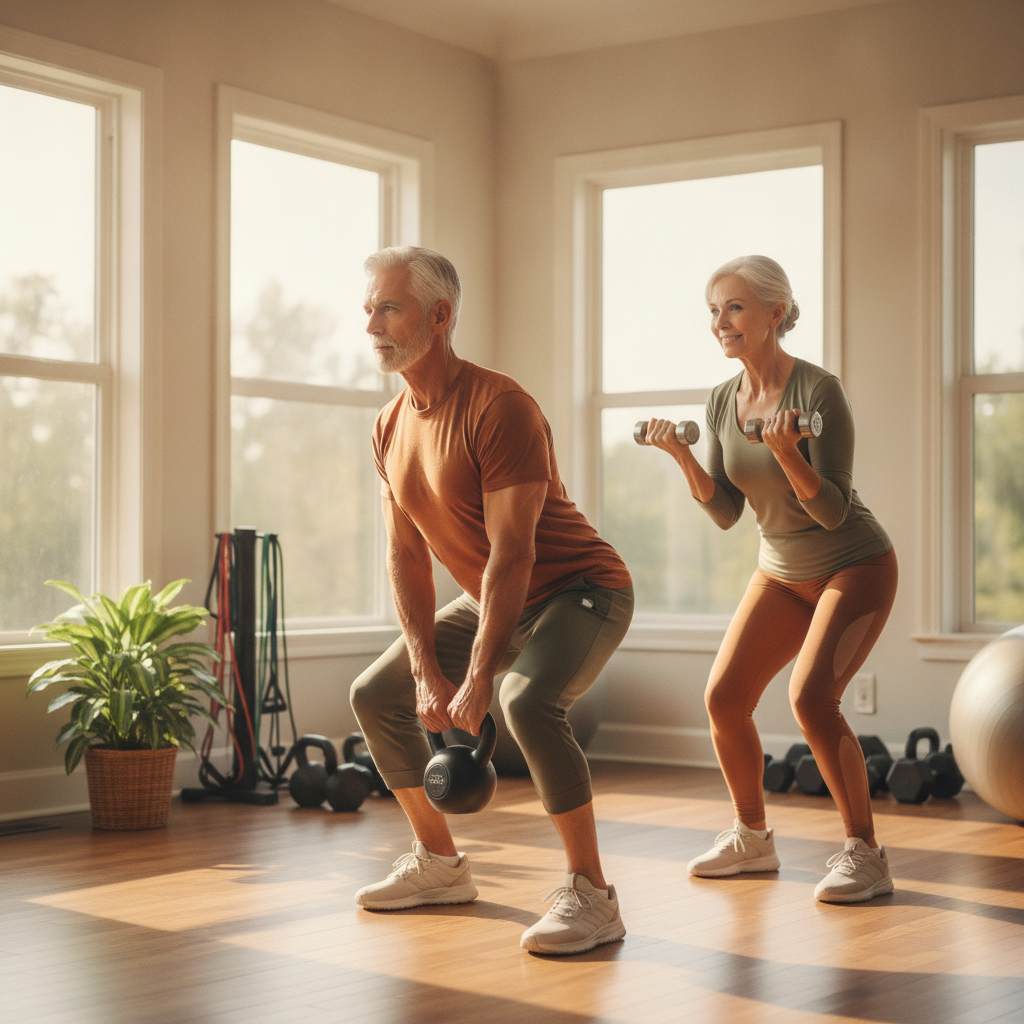
Start conservatively with light weights emphasizing perfect form. Progress gradually. Include balance work and daily activity. Supervision by experienced trainers initially prevents injury. Most older adults can safely and effectively pursue progressive resistance training.
Longevity Impact
Older adults with adequate muscle mass show substantially lower mortality than age-matched peers with insufficient muscle. Strength training represents one of the most powerful interventions for healthy aging.
Practical Implementation
Two to three resistance sessions weekly, 20-30 minutes each, targeting major muscle groups. Include balance and flexibility work. Progress gradually over months and years. This moderate investment of time returns enormous gains in quality and length of life.