Digestive Enzyme Function: Improving Nutrient Absorption
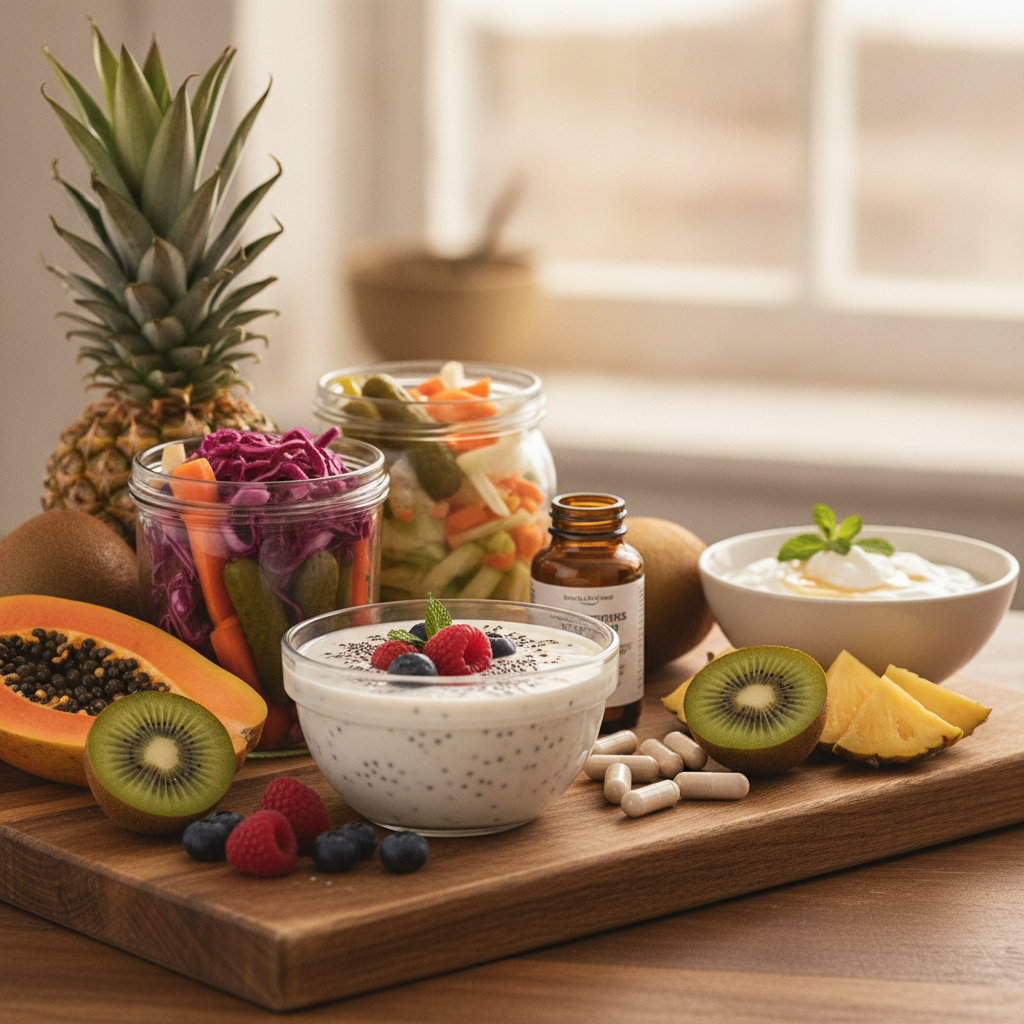
Digestive enzymes break food into molecules small enough to absorb. Inadequate enzyme production impairs nutrient absorption and creates digestive discomfort.
Enzyme Categories
Amylase breaks carbohydrates into sugars. Protease breaks proteins into amino acids. Lipase breaks fats into fatty acids and glycerol. These three accomplish most protein, carbohydrate, and fat digestion.
Additional enzymes target specific foods: lactase breaks lactose (milk sugar), and sucrase breaks sucrose. People deficient in specific enzymes develop symptoms eating those foods.
Digestive Process
Salivary enzymes begin carbohydrate digestion immediately. Stomach acid denatures proteins and activates pepsin (protease). The small intestine receives pancreatic enzymes and bile, completing digestion.
When enzyme production is insufficient, food remains incompletely digested. Bacteria ferment undigested material, producing gas and bloating.
Declining Enzyme Production
Enzyme production naturally declines with age. Additionally, chronic stress, inflammation, and poor eating habits impair pancreatic enzyme secretion.
Celiac disease damages the small intestine, reducing overall enzyme production. IBS frequently includes reduced enzyme secretion. Some medications inhibit acid production, reducing pepsin activity.
Symptoms of Inadequate Enzymes
Bloating after meals suggests undigested food. Steatorrhea (fatty stools) indicates lipase insufficiency. Floating stools suggest poor fat absorption. Gas and bloating occur with carbohydrate malabsorption.
Week, brittle nails, thin hair, and easy bruising suggest protein malabsorption. Fatigue and anemia suggest B12 and iron malabsorption—both dependent on adequate digestion.
Enzyme Support Strategies
Eat slowly and chew thoroughly—this increases salivary enzyme exposure. Sipping liquid during meals dilutes enzymes—avoid this. Eat in a relaxed state; stress impairs enzyme secretion.
Bitter herbs (gentian, dandelion) stimulate digestive secretions. Apple cider vinegar before meals increases stomach acid and enzyme activity.
Supplemental Enzymes
Digestive enzyme supplements provide exogenous enzymes when endogenous production is insufficient. Quality varies dramatically—the best supplements contain multiple enzyme types and are enteric-coated for small intestine release.
Timing
Enzyme supplements are most effective taken with meals. If digestive improvement occurs, try reducing doses gradually—your pancreas may recover its function if underlying stress or inflammation resolves.